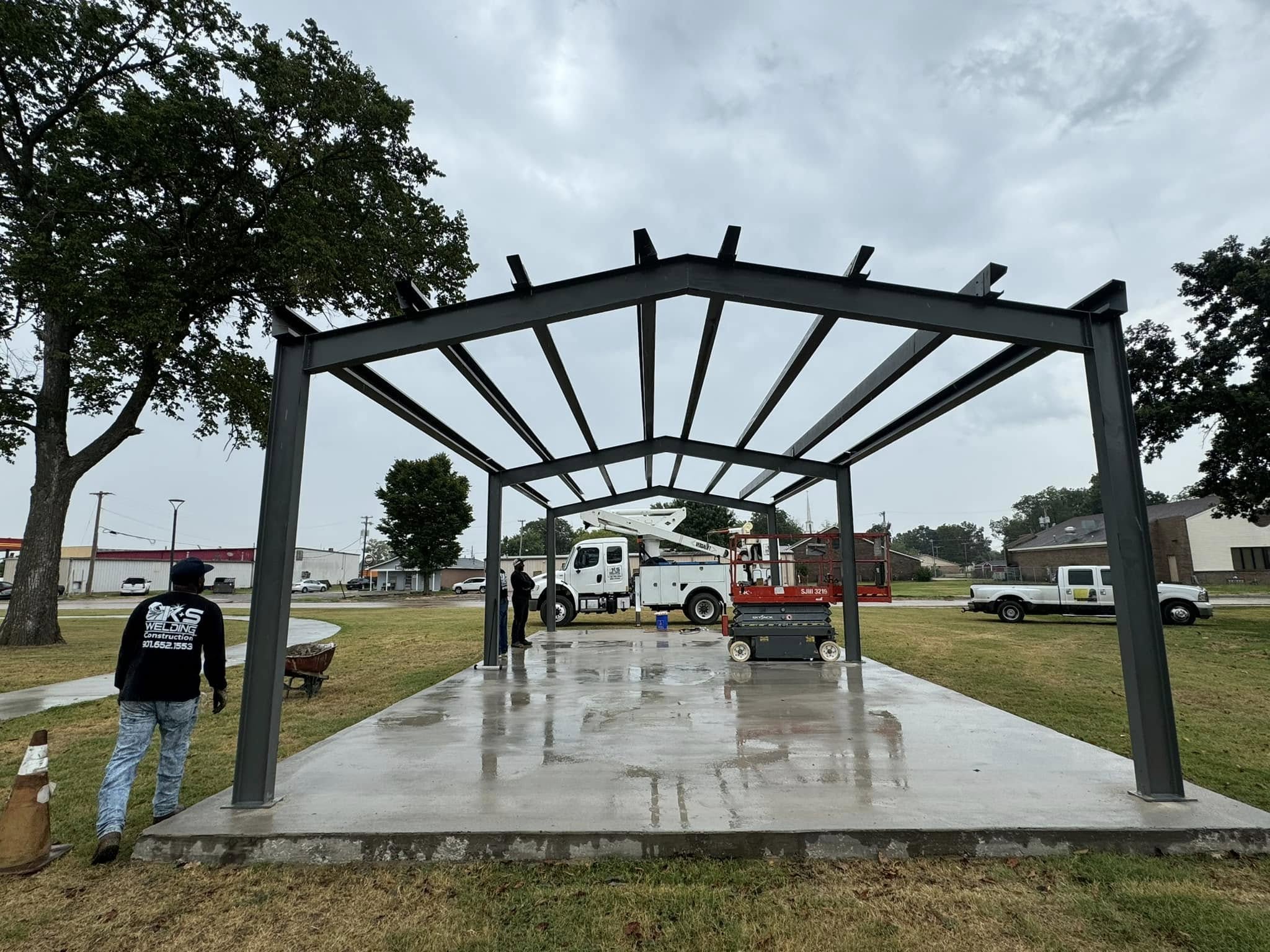
Choosing the Right Welding Technique for Your Project: Insights from Industry Experts Apr 10, 2026
When starting any welding project, the first step is to understand the different types of welding techniques available. The most common ones include MIG, TIG, Stick, and Flux-Cored Arc Welding. Each has its own set of advantages and is suited for different materials and project scales.
MIG welding, also known as Gas Metal Arc Welding (GMAW), is often used for larger projects where high productivity is required. It's versatile and allows for a continuous weld with minimal cleanup afterward. This method is ideal for heavy-duty construction projects because it saves time and enhances efficiency. If your project involves working with metals like steel, aluminum, or copper alloys, MIG welding could be a perfect fit.
On the other hand, TIG welding, or Gas Tungsten Arc Welding (GTAW), offers precision, making it suitable for projects that demand attention to detail. This method uses a non-consumable tungsten electrode to produce the weld, which means there is less spatter and a cleaner finish. It’s often used in projects that require high-quality standards, such as aerospace and motorsport industries. For intricate fabrication projects or where aesthetics matter, TIG welding provides the finesse needed.
Stick welding, or Shielded Metal Arc Welding (SMAW), is a more traditional method. It's commonly used in construction sites where working conditions may not always be optimal. It's reliable for welding iron and steel in outdoor environments and remains a go-to technique for structural steelwork because of its simplicity and effectiveness in less-than-ideal conditions.
Flux-Cored Arc Welding (FCAW) is similar to MIG welding in that it also uses a continuous wire feed, but it differs in that it doesn’t always require an external shielding gas. This method is particularly advantageous when working outdoors or in windy conditions where gas coverage can be compromised. It’s highly productive and can be a cost-efficient solution for heavy equipment repair and thicker material projects.
To make an informed decision, consider the type of materials you will weld, the project's environment, and your budget. Each technique comes with its cost implications and potential constraints based on project location and environmental conditions. While TIG provides the highest quality finish, it may not be suitable for every budget or timeline.
Consulting with industry experts like those at K & S Welding and Construction can also provide valuable insights tailored to your specific project needs. Our professional team can assess your project requirements and suggest the most efficient and effective welding technique.
In conclusion, the right choice of welding technique hinges on a thorough understanding of the project needs and constraints. Whether it’s the versatility of MIG, the precision of TIG, the robustness of Stick, or the adaptability of Flux-Cored welding, each method has unique advantages. Contact K & S Welding and Construction for expert advice and services that ensure a high-quality, long-lasting result for your construction ventures. By selecting the appropriate welding process, you safeguard the integrity and success of your project, aligning with both structural and aesthetic excellence.
/filters:no_upscale()/filters:format(webp)/media/01b0e22b-60e8-4181-9365-1fe9a0245987.jpeg)